
Unclog Your Drain Like a Pro Using a Snake A Simple Guide for Beginners

Clogged drains can bring your restaurant, hotel, or commercial business to a halt. When water backs up in sinks or floor drains, it disrupts operations and creates an unpleasant environment for staff and customers. Knowing how to fix a clogged drain quickly and effectively saves time and money. One of the best DIY plumbing tricks is using a drain snake. This guide explains how to snake a clogged drain step-by-step, with practical tips for businesses in Fort Myers, Cape Coral, Estero, and Sanibel.
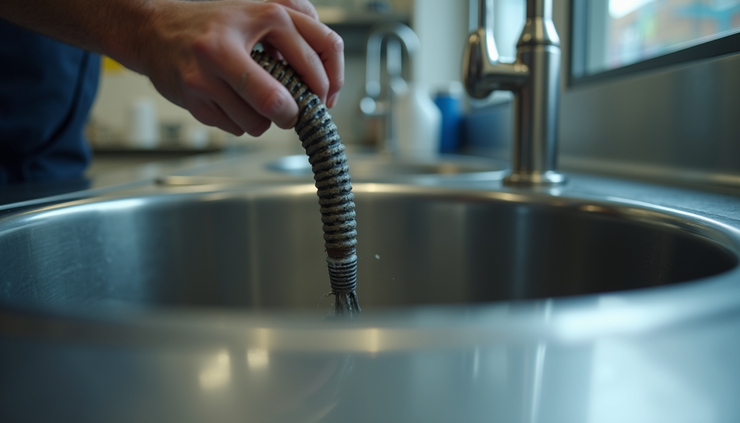
What Is a Drain Snake and Why Use It?
A drain snake, also called a plumber’s auger, is a flexible metal cable designed to reach deep into pipes and break up or pull out blockages. Unlike chemical drain cleaners, a snake physically removes the clog without harmful chemicals that can damage pipes or the environment.
For commercial kitchens and hotels, where grease, food scraps, and soap buildup cause frequent clogs, a snake offers a reliable DIY solution. It works on sinks, floor drains, and even toilets. Knowing how to snake a clogged drain means you can handle many plumbing issues without waiting for a professional.
Tools and Materials You’ll Need
Before starting, gather these items:
Drain snake (manual or powered, 25-50 feet recommended for commercial use)
Bucket to catch water
Rubber gloves
Old towels or rags
Flashlight or headlamp
Adjustable wrench (if you need to remove drain covers or traps)
Safety goggles (optional but recommended)
Having the right tools makes the process smoother and safer.
Step-by-Step Guide on How to Snake a Clogged Drain
1. Prepare the Area
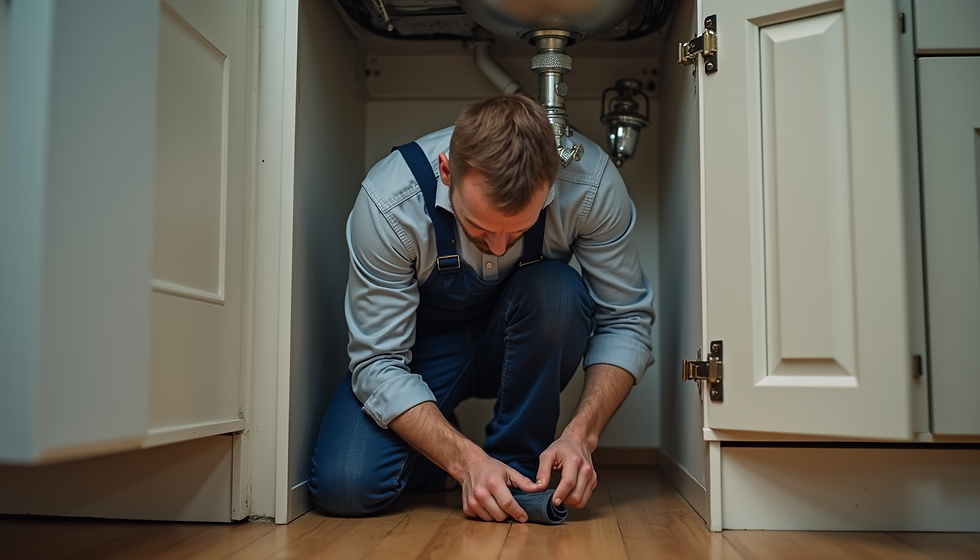
Clear the space around the drain. Remove any standing water with a bucket or mop. Lay down towels to catch spills. Put on gloves and goggles to protect your hands and eyes from debris or splashes.
2. Remove Drain Covers or Traps if Needed
Some drains have covers or traps that block access. Use an adjustable wrench to loosen and remove these parts carefully. Place them aside where they won’t get lost or damaged.
3. Insert the Snake into the Drain
Feed the end of the snake cable slowly into the drain opening. Push gently but firmly. If you feel resistance, do not force it; rotate the snake handle clockwise to help it move past bends and reach the clog.
4. Break Up or Hook the Clog
Once you reach the blockage, rotate the snake to break it up or hook it. Pull the snake back slowly, bringing debris with it. You may need to repeat this several times to clear the pipe fully.
5. Test the Drain
After removing the snake, run water to check if it flows freely. If the drain is still slow, repeat the snaking process. For stubborn clogs, consider using a longer snake or calling a professional.
6. Clean Up
Replace any removed drain covers or traps. Clean your tools and the area thoroughly. Dispose of debris safely.

Tips for Successful DIY Drain Snaking in Fort Myers and Surrounding Areas
Choose the right snake length: For most commercial drains, a 25-50 foot snake works well. Longer snakes reach deeper clogs but can be harder to handle.
Use a powered snake for tough clogs: Electric or battery-powered augers make the job easier, especially for thick grease or hair blockages common in hotels and restaurants.
Avoid harsh chemicals before snaking: Chemicals can harden clogs or damage pipes, making snaking less effective.
Regular maintenance: Schedule routine snaking or professional inspections to prevent major blockages.
Know your local plumbing codes: In Fort Myers, Cape Coral, Estero, and Sanibel, plumbing regulations may affect how you handle drain maintenance.
When to Call a Professional Plumber
DIY snaking works for many clogs, but some situations require expert help:
Repeated clogs in the same drain
Sewage backups or foul odors
Clogs beyond 50 feet deep
Damaged or corroded pipes
Commercial kitchen grease traps needing cleaning
Professional plumbers have specialized tools and knowledge to handle complex problems safely and efficiently.
Benefits of Learning How to Fix Clogged Drains Yourself
Saves money on emergency plumbing calls
Reduces downtime in busy commercial settings
Builds confidence in handling minor plumbing issues
Improves hygiene by quickly clearing standing water and waste
For businesses in Fort Myers, Cape Coral, Estero, and Sanibel, mastering this DIY plumbing trick supports smooth daily operations.
Comments