
Essential Backflow Prevention Tips: Signs You Need Emergency Plumbing


Understanding Backflow and Its Risks
Backflow issues can pose serious risks to the health of individuals and the integrity of plumbing systems. Backflow occurs when water flows in the reverse direction through pipes, bringing contaminants into clean water supply lines. This reversal can yield dire consequences, such as waterborne illnesses or even plumbing system damage. Understanding the essential backflow prevention tips can help you recognize the signs you need an emergency plumber for backflow issues, ultimately safeguarding your environment and residents.
Recognizing the Signs of Backflow Issues
Detecting backflow problems early is crucial in averting extensive plumbing damage or health hazards. Here are some common signs you should be vigilant for:
- Unpleasant odors: If you notice foul smells originating from sinks or faucets, it could indicate sewage backflow.
- Discolored water: Water that appears brown or cloudy may have contaminants, signaling potential backflow.
- Frequent clogs: Regular blockages in drains or toilets may signify an underlying backflow issue.
- Sudden changes in water pressure: Fluctuations in water pressure during usage might point to backflow problems within the plumbing system.
- Contaminated fixtures: Mineral buildup or unwanted substances on faucets or in appliances might signal backflow contamination.
Being aware of these signs can help professionals act quickly and efficiently when backflow occurs.
Backflow Prevention Tips
Employing effective backflow prevention strategies is integral to maintaining a safe and functional plumbing system. Here are some practical tips:
Install Backflow Prevention Devices
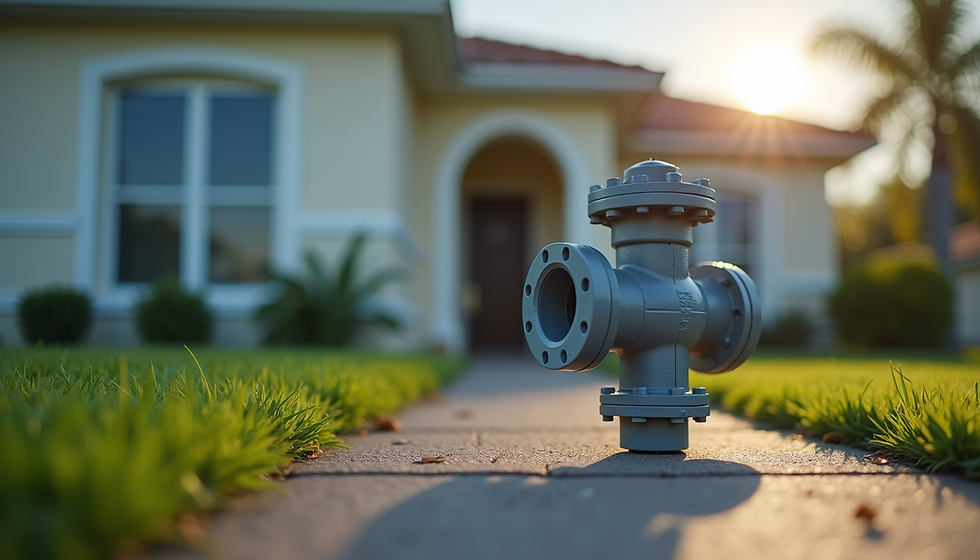
Considering the installation of backflow prevention devices such as check valves is essential in high-risk areas. These devices allow water to flow in one direction, preventing contaminants from flowing back. Working with a licensed plumber to assess the need for such devices based on your specific plumbing layout is advisable.
Regular Inspections and Maintenance
Routine inspections of your plumbing system can catch potential issues before they escalate. Regularly check piping, valves, and water fixtures for signs of wear or damage. A proactive approach can significantly minimize the risk of backflow incidents and the need for emergency plumbing services.
Maintain Clean Water Sources
Ensure that external sources of water, such as garden hoses or swimming pools, are not connected to your drinking water supply. These connections can create a backflow risk during pipe pressure fluctuations. Always use suitable hose bib backflow preventers to mitigate this risk effectively.
Why Timing Matters: Emergency Plumbing Services
When it comes to backflow issues, timing is everything. Ignoring early warning signs can lead to serious plumbing issues and health risks for building occupants. Here are reasons why calling an emergency plumber at the first sign of issues is crucial:
Health Hazards
The infiltration of contaminants into the water supply can have devastating health implications for the building’s occupants. Waterborne bacteria and viruses can lead to serious illnesses, so immediate action is crucial if you suspect backflow.
Structural Damage
Beyond health risks, backflow can significantly damage plumbing infrastructure. The increased pressure and contamination can lead to burst pipes, flooding, and costly repairs down the line. Acting quickly means less damage and reduced repair costs.
Insurance and Liability Concerns
Not addressing backflow problems promptly could also lead to insurance issues. Insurance policies may have specific clauses regarding water damage and contamination. By acting quickly, you can minimize the likelihood of exacerbating a situation that might cost significantly.
Engaging with Professional Plumbers
Establishing a relationship with plumbing professionals can make all the difference. Experienced plumbers bring both educational background and practical know-how to effectively address and resolve backflow issues promptly.
When seeking a professional, ensure to:
- Check for valid licenses and certifications.
- Read reviews and ask for recommendations to gauge their reputation.
- Discuss their experience with backflow prevention and repair.
- Ensure they offer a warranty on their services.
Best Practices to Minimize Backflow Risks
To further reduce the possibility of backflow incidents, adhere to the following best practices:
- Educate building occupants about using fixtures properly to avoid cross-contamination.
- Monitor your plumbing system consistently. Look for any signs of wear and tear and address them before they escalate.
- Keep sewer lines clear. Ensure that nothing obstructs your sewer lines, making them more susceptible to backflow.
- Understand your local plumbing codes and regulations. Compliance with local laws can ensure that your systems are equipped to handle backflow situations effectively.
Frequently Asked Questions
What is backflow exactly and why is it dangerous?
Backflow is the unwanted reversal of water flow in plumbing systems, often bringing contaminants from hazardous sources into the potable water supply. This can pose significant health risks, making it a critical issue to address immediately.
How often should I have my plumbing inspected for backflow?
Regular plumbing inspections should ideally be conducted annually, though properties in high-risk areas may benefit from more frequent assessments, particularly if they have historical issues with backflow.
Can I install a backflow prevention device myself?
While some homeowners may be capable of installing simpler devices, it is generally recommended to work with a licensed plumber. Proper installation is crucial for ensuring effectiveness and compliance with local codes.
What should I do if I suspect backflow?
If you suspect backflow, it is critical to stop using the water supply immediately and contact an emergency plumber. Acting quickly can prevent further contamination and mitigate health risks.
How do I find a trustworthy emergency plumber?
Look for licensed professionals with extensive experience in handling backflow issues. Reading reviews, asking for recommendations, and verifying credentials can help in selecting a reliable plumber.
In conclusion, recognizing the signs you need an emergency plumber for backflow issues is essential in maintaining a safe and functional plumbing system. By following the backflow prevention tips outlined in this article, you can protect not just your plumbing system but also the health of everyone who interacts with it. Being proactive today can save future costs and health risks tomorrow.
Comments