
Emergency Plumbing Guide: When to Call a Plumber for Help

Understanding Emergency Plumbing
Plumbing emergencies can strike without warning, causing not only inconvenience but also significant damage to your property if not addressed promptly. Understanding what qualifies as an emergency plumbing situation is crucial for property managers, business owners, and homeowners alike. This guide aims to clarify when it's time to call a plumber, potentially saving you time and money while ensuring the well-being of your property.
The first step in handling any plumbing issue is recognizing the difference between a minor inconvenience and a true emergency. Emergency plumbing refers to situations that require immediate attention to prevent extensive damage or hazard to health and safety.
Common Plumbing Emergencies
Recognizing common emergencies can aid significantly in identifying when professional intervention is necessary. Here are some prevalent scenarios:
- Severe leaks or bursts: Water gushing from a broken pipe can lead to significant water damage and mold growth if not quickly contained.
- Overflowing toilets: A toilet that won’t stop running is not only a nuisance but can waste gallons of water and create a health hazard.
- Sewage backups: This presents serious health risks and requires immediate expert intervention.
- No hot water: For businesses, especially in hospitality and food service, lack of hot water can disrupt operations entirely.
- Frozen pipes: In colder climates, pipes can freeze, increasing the risk of bursting when they eventually thaw.
Understanding these emergencies allows property managers to make quick decisions rather than waiting for issues to escalate further.
Assessing the Situation
When facing a plumbing issue, assessing the situation is crucial before contacting a plumber. Evaluate the source and severity of the problem by undertaking a few necessary steps:
Step 1: Identify the Source
Is it a burst pipe, a leaking faucet, or a clogged toilet? Identifying the specific issue can help the plumber understand the situation before they arrive. Noting the problem’s severity can also guide your next steps.
Step 2: Attempt Simple Fixes
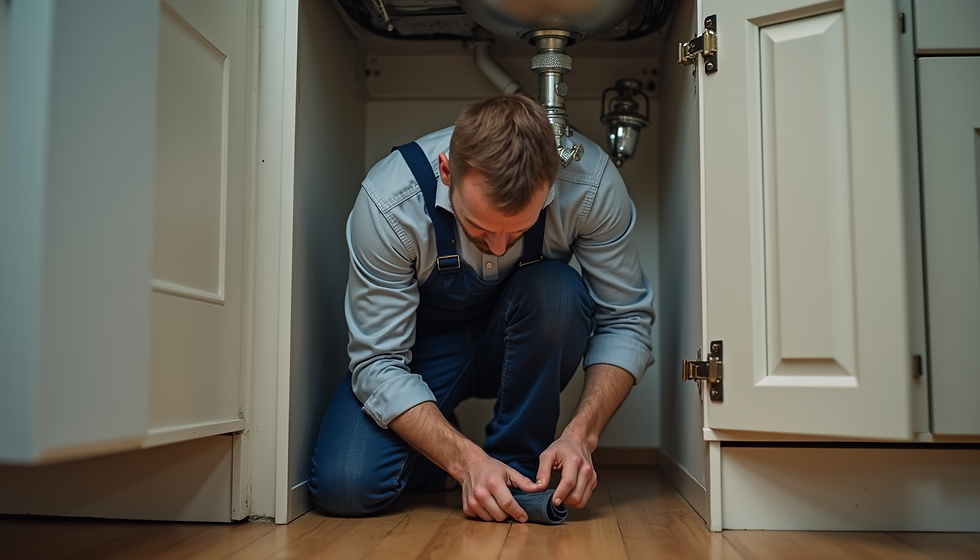
Before calling, see if there are any minor adjustments you can make. For instance, if you locate a leak under the sink, try shutting off the water supply at the shut-off valve. This simple action can minimize potential damage while waiting for professional help.
Step 3: Know Your Plumbing System
Familiarize yourself with your plumbing system. Understand where the main shut-off valve is located, and if your property has a sump pump or a backflow valve, know how they operate. Knowledge of your system empowers you to take immediate action and provides valuable information to the plumber when they arrive.
Why Call a Professional?
Recognizing that some situations are beyond your control is essential. Here’s why partnering with professional plumbers is critical during emergencies:
- Expertise: Licensed plumbers have the training and experience to diagnose and solve complex plumbing issues efficiently.
- Preventive measures: They can identify underlying problems that may cause future emergencies, helping you avoid repeat issues.
- Proper tools and technology: Professionals come equipped with specialized tools and technology that you may not have on hand.
- Time-saving: Attempting complex repairs is time-consuming and can often lead to further complications, making professional intervention a more efficient solution.
In the age of DIY solutions, it is easy to underestimate the importance of professional plumbing services. However, the intricate nature of plumbing systems and the potential disaster resulting from improper handling highlight the need for expertise.
Preventive Plumbing Maintenance Guide
To avoid plumbing emergencies, it is essential to establish a preventive plumbing maintenance strategy. Taking proactive measures can significantly reduce the likelihood of urgent issues occurring in the first place.
Regular Inspections
Schedule annual inspections by a qualified plumber who can check for risks like leaks, corrosion, and signs of wear in your plumbing system. Early detection is your best defense.
Water Heater Maintenance
Flushing your water heater once a year can remove sediment buildup, improving efficiency and extending its lifespan. It also ensures reliable hot water availability, reducing emergency situations.
Monitor Water Pressure
Too much water pressure can lead to pipe leaks and bursts. Consider installing a pressure gauge and regulator if you suspect your system is at risk.
Know Your Insurance Policy
Understanding what your homeowner's or business insurance covers is also invaluable. In some instances, plumbing emergencies may qualify for coverage, thus relieving financial strain.
FAQs
Frequently Asked Questions
How can I tell if I have a plumbing emergency?
Look for signs like severe water leaks, sewage backups, or overflowing toilets that require immediate attention. If the situation risks property damage or health safety, it’s considered an emergency.
What should I do before the plumber arrives?
If possible, shut off the main water supply to minimize damage and identify the source of the problem. It's also helpful to document the issue for the plumber.
Is it worth investing in regular plumbing maintenance?
Yes, preventive plumbing maintenance can save you significant time and money by avoiding severe plumbing emergencies. Regular check-ups can identify minor issues before they escalate into larger problems.
Can I attempt all plumbing repairs myself?
While minor repairs may be manageable, complex plumbing issues should be left to professionals. DIY repairs can lead to more significant problems if not done correctly.
How do I find a qualified plumber?
Look for licensed and insured professionals with good reviews in your area. Referrals from trusted friends and family can also be helpful in finding reliable services.
A proactive approach to emergency plumbing can save time, money, and stress. By recognizing when to call a plumber and implementing preventive measures, you can maintain a safe and functional plumbing system in your property. Don’t overlook the importance of timely interventions; after all, a stitch in time can save nine.
Comments