
Shower Leaking Solutions from a Pro: Identify the Source and Next Steps

Understanding Leaking Showers and Bathtubs
A leaking shower or bathtub can quickly escalate from a minor annoyance into a significant and costly issue. Both fixtures are essential components of any bathroom, and when they start to leak, the consequences can be severe. Water damage, mold growth, and structural issues can develop if leaks go unnoticed or untreated. It’s crucial to identify the source of the leak and take prompt action to mitigate further damage and expenses.

Common Causes of Leaking Showers
Worn Out Seals: Over time, the seals around the showerhead, faucet, and tub spout can wear down, leading to leaks.
Cracked Tiles: Damaged tiles or grout can allow water to seep through, causing leaks behind the walls.
Pipes Issues: Corroded or damaged pipes can lead to leaks that may not be immediately visible.
Shower Valve Problems: A malfunctioning shower valve can result in water leaking when the shower is not in use.
Common Causes of Leaking Bathtubs
Faulty Drain Assembly: A loose or damaged drain assembly can lead to water leaking beneath the tub.
Cracks in the Tub: Any cracks or chips in the bathtub material can allow water to escape.
Improper Installation: If the bathtub was not installed correctly, it may not be watertight, leading to leaks.
Worn Out Caulking: The caulking around the edges of the tub can deteriorate over time, allowing water to seep out.
Practical Steps to Fix Leaks
Identifying the source of the leak is the first step toward resolution. Here are some practical steps to take:
Inspect all visible plumbing and fixtures for signs of moisture or damage.
Check the caulking and seals around the shower and bathtub for wear and tear.
Test the water pressure; high pressure can exacerbate leaks.
If necessary, replace any damaged components such as seals, caulking, or pipes.
Consider consulting a professional if the source of the leak is not easily identifiable or if repairs are beyond your expertise.
When to Seek Professional Help
If you find yourself overwhelmed by the extent of the leaks or if the repairs require specialized skills, it’s wise to call in the experts. Mark’s Plumbing and Backflow Services is ready to assist you with repairs and replacements in Cape Coral, Fort Myers, and surrounding areas. Their expertise can save you time, money, and stress, ensuring that your shower and bathtub are leak-free and functioning properly.
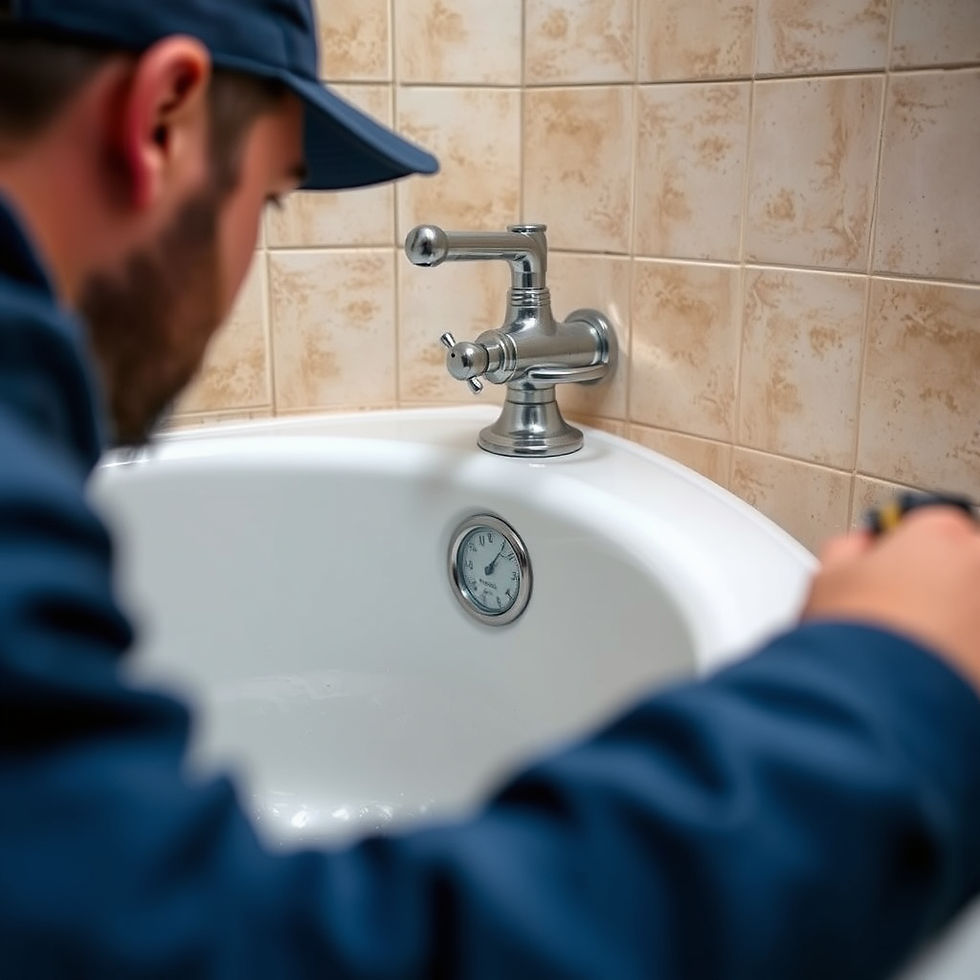
Common Sources of Bathtub Leaks
Leaks can originate from several places around your bathtub. Identifying the exact source is the first step to solving the problem.
1. Faucet and Showerhead Connections
The faucet or showerhead is a frequent leak point. Over time, washers and seals inside the faucet wear out, causing drips or steady leaks. Loose connections or corrosion can also lead to water escaping.
Signs to watch for:
Water dripping from the faucet when turned off
Water pooling around the base of the faucet
Visible corrosion or mineral buildup
2. Drain Assembly
The drain can leak if the seal between the tub and the drain pipe fails. This often happens due to worn-out plumber’s putty or a loose drain flange.
How to check:
Look under the bathtub for water dripping near the drain pipe
Notice water pooling on the bathroom floor after a bath or shower
3. Overflow Plate and Pipe
The overflow plate prevents the tub from overfilling. If the gasket behind the plate deteriorates, water can leak through the wall.
Leak indicators:
Water dripping behind the overflow plate
Moisture or water stains on the wall near the tub
4. Cracks in the Tub Surface
Bathtubs made of acrylic, fiberglass, or porcelain can develop cracks or chips. Even small cracks can allow water to seep through and cause leaks.
What to look for:
Visible cracks or chips in the tub surface
Water stains or dampness around the tub base
5. Plumbing Pipes Behind the Wall
Sometimes leaks come from the water supply or drain pipes hidden behind the bathroom wall. These leaks are harder to detect but cause significant damage if left untreated.
Signs include:
Persistent dampness or mold on the wall near the tub
A musty smell in the bathroom
Unexplained increase in water bills
What to Do When You Find a Leak
Once you identify or suspect a leak, taking the right steps quickly can prevent further damage.
Turn Off the Water Supply
If you see water pooling or dripping, turn off the water supply to the bathtub immediately. This stops the leak and limits damage.
Inspect and Document the Leak
Take photos and notes about where the leak appears and any visible damage. This information helps when you call a professional plumber.
Avoid DIY Repairs for Major Issues
While some minor leaks like a dripping faucet can be fixed with simple parts replacement, many bathtub leaks require professional tools and expertise. Attempting complex repairs without experience can worsen the problem.
Call a Licensed Plumbing Professional
A licensed plumber can accurately diagnose the leak source and recommend the best repair or replacement options. Mark’s Plumbing and Backflow Services specializes in water line repairs, busted pipes, bathtub replacement, drain repairs, clogs, and more. They serve Cape Coral, Fort Myers, Fort Myers Beach, Estero, North Fort Myers, Bonita Springs, and Sanibel.
How Professionals Fix Bathtub Leaks
Here’s what you can expect when a pro handles your bathtub leak:
Leak Detection and Assessment
Plumbers use specialized tools like moisture meters, cameras, and pressure tests to locate hidden leaks behind walls or under floors.
Repair or Replace Faulty Parts
Depending on the issue, repairs may include:
Replacing worn washers, seals, or faucet cartridges
Resealing or replacing the drain assembly
Fixing or replacing the overflow gasket
Repairing cracks in the tub surface with epoxy or replacing the tub entirely
Repairing or replacing damaged plumbing pipes

Preventive Maintenance Advice
A professional plumber can also advise on regular maintenance to prevent future leaks, such as checking seals annually and avoiding harsh chemicals that damage pipes.
Why Calling a Pro Saves You Time and Money
Trying to fix a bathtub leak without the right knowledge often leads to incomplete repairs or new problems. Licensed plumbers have the training and tools to:
Find hidden leaks quickly
Use quality parts that last longer
Prevent water damage and mold growth
Ensure repairs meet local building codes
Service Areas Covered by Mark’s Plumbing and Backflow Services
If you live in any of these areas, expert help is just a call away:
Cape Coral
Fort Myers
Fort Myers Beach
Estero
North Fort Myers
Bonita Springs
Sanibel
Mark’s Plumbing and Backflow Services offers fast, reliable service with transparent pricing. Their expertise covers everything from minor leaks to full bathtub replacements, ensuring that every plumbing need is met with professionalism and care. With a commitment to customer satisfaction, Mark’s Plumbing is dedicated to providing high-quality service that you can trust.
Service Areas Covered by Mark’s Plumbing and Backflow Services
If you live in any of these areas, expert help is just a call away:
Cape Coral
Fort Myers
Fort Myers Beach
Estero
North Fort Myers
Bonita Springs
Sanibel
Prevention Tips for Common Plumbing Issues
Preventing plumbing issues can save you time and money in the long run. Here are some effective prevention tips:
Regular Inspections: Schedule regular plumbing inspections to catch issues early.
Know Your System: Familiarize yourself with your plumbing system to identify any unusual changes.
Watch Water Pressure: Keep an eye on your water pressure; too high can lead to leaks.
Drain Maintenance: Regularly clean your drains to prevent clogs and backups.
Temperature Settings: Keep your water heater at an appropriate temperature to avoid excessive pressure build-up.
Seal Leaks: Immediately seal any visible leaks to prevent further damage.
Signs of Plumbing Issues to Watch For
Being aware of the signs of plumbing issues can help you address problems before they escalate. Look out for the following signs:
Unusual Sounds: Listen for gurgling or dripping sounds that may indicate a plumbing issue.
Water Stains: Check for water stains on walls or ceilings, which can indicate leaks.
Decreased Water Pressure: Noticeable drops in water pressure can signal a blockage or leak.
Slow Drains: If water is draining slowly in sinks or tubs, it may indicate a clog.
Increased Water Bills: A sudden increase in your water bill can indicate a hidden leak.
Unpleasant Odors: Foul smells can suggest sewage issues or clogs in your plumbing system.
By following these prevention tips and being vigilant about the signs of plumbing issues, you can maintain a healthy plumbing system and avoid costly repairs. If you notice any of these signs, don’t hesitate to contact Mark’s Plumbing and Backflow Services for expert assistance.
Comments